Land Acknowledgement


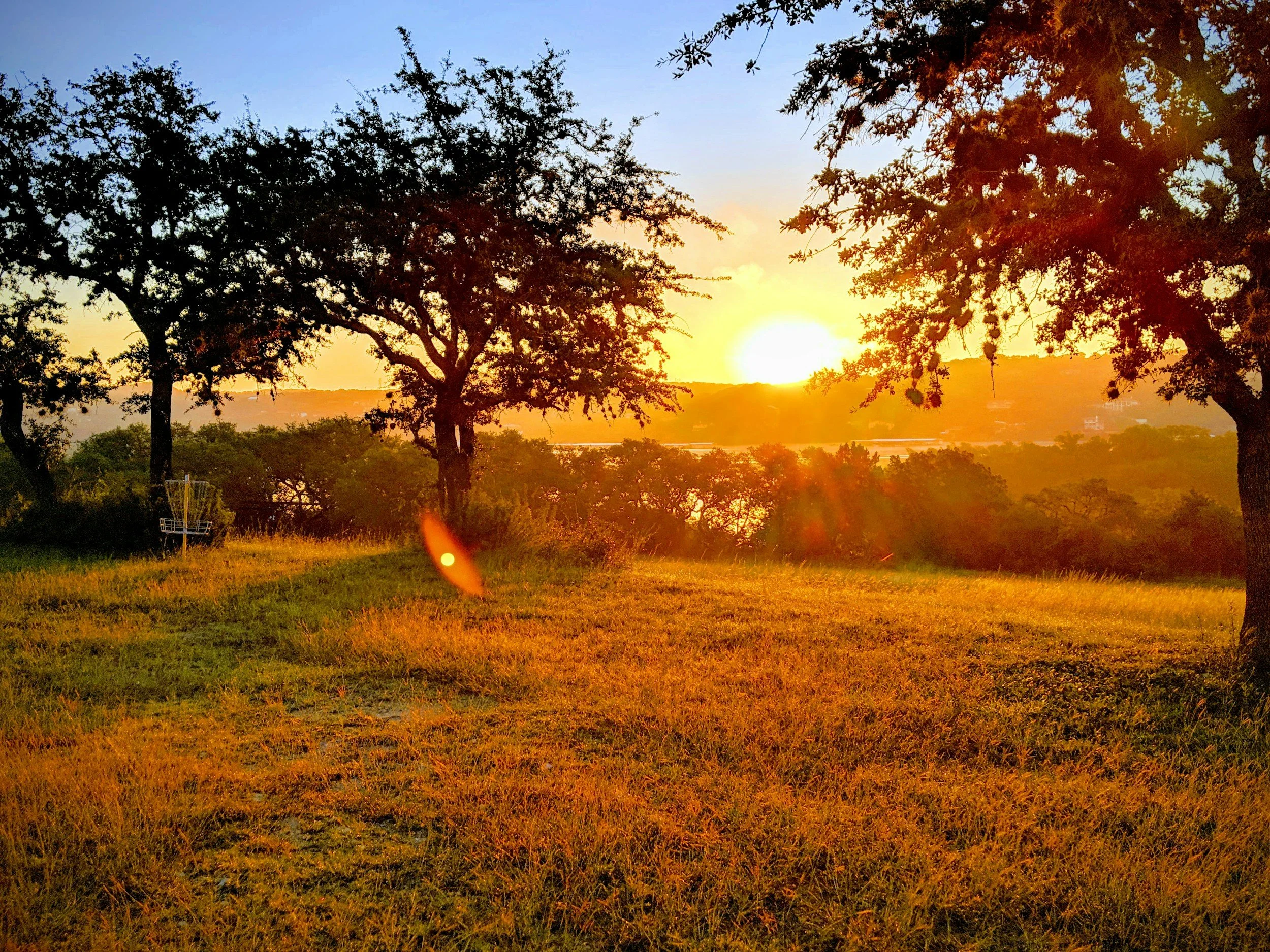
Photo of stolen land in Austin, Texas
 

I work on stolen land in Austin, Texas and Asheville, North Carolina with the impacted Indigenous tribes:

Austin, Texas:
Alabama-Coushatta
Caddo
Carrizo/Comecrudo
Coahuiltecan
Comanche
Kickapoo
Lipan Apache 
Tonkawa
Ysleta del sur Pueblo

Asheville, North Carolina:
 ᏣᎳᎫᏪᏘᏱ Tsalaguwetiyi (Cherokee, East)
S’atsoyaha (Yuchi)
Miccosukee

I want to first thank the committee members of Native American and Indigenous Studies of UT Austin for providing a pronunciation guide to help acknowledge Indigenous peoples and the land on which we live and work in Austin, Texas. I want to also thank Native-Land.ca Native-Land.ca | Our home on native land for locating the Indigenous land on which we live and work in Asheville, North Carolina. 

I live and work on land that is not mine — land that belongs to the Indigenous peoples listed above.

I name this as an Indigenous person myself — not from here, but from the islands now called the Philippines. My people were also taken, renamed, and reshaped by colonization. I come from lineages that were interrupted, scattered, and nearly erased.

Through adoption and displacement, I live far from my ancestral land and carry my ancestors in my body, even when I cannot walk where they are buried.

I do not claim this land. I arrive as a guest — with humility, grief, and respect — bringing my own ancestors into relationship with the peoples and spirits of this place.

In this space, I commit to tending what lives between us: to remembering where I come from, honoring where I stand, and moving with care in the layers that meet here.